In short:
- Waxing gives an immediate result, to be repeated every 3 to 5 weeks, for a lower upfront cost.
- Laser hair removal takes a course of 6 to 8 sessions spaced 4 to 8 weeks apart before growth slows down for the longer term.
- Laser is a regulated treatment, less effective on very light or white hair and on very dark skin tones: medical advice is worth seeking if in doubt.
- Between laser sessions, waxing is not recommended: it removes the very hair root the laser targets.
Waxing or laser: the comparison at a glance
Before going into detail, this table sums up the most useful differences between waxing and laser hair removal.
| Criterion | Waxing | Laser |
|---|---|---|
| Pain level | Brief sharp pull with each strip | Warm or tingling sensation during the session |
| How long results last | 3 to 5 weeks | Several months after the full course |
| Number of sessions | Every regrowth cycle | 6 to 8 sessions, then occasional touch-ups |
| Time to a visible result | Immediate | Gradual, over several sessions |
| Starting cost in Paris | €10 to €50 depending on the area | €60 to €200 per session depending on the area |
| Hair and skin types | Works on all hair types | Less effective on very light, white or red hair |
How waxing and laser hair removal actually work
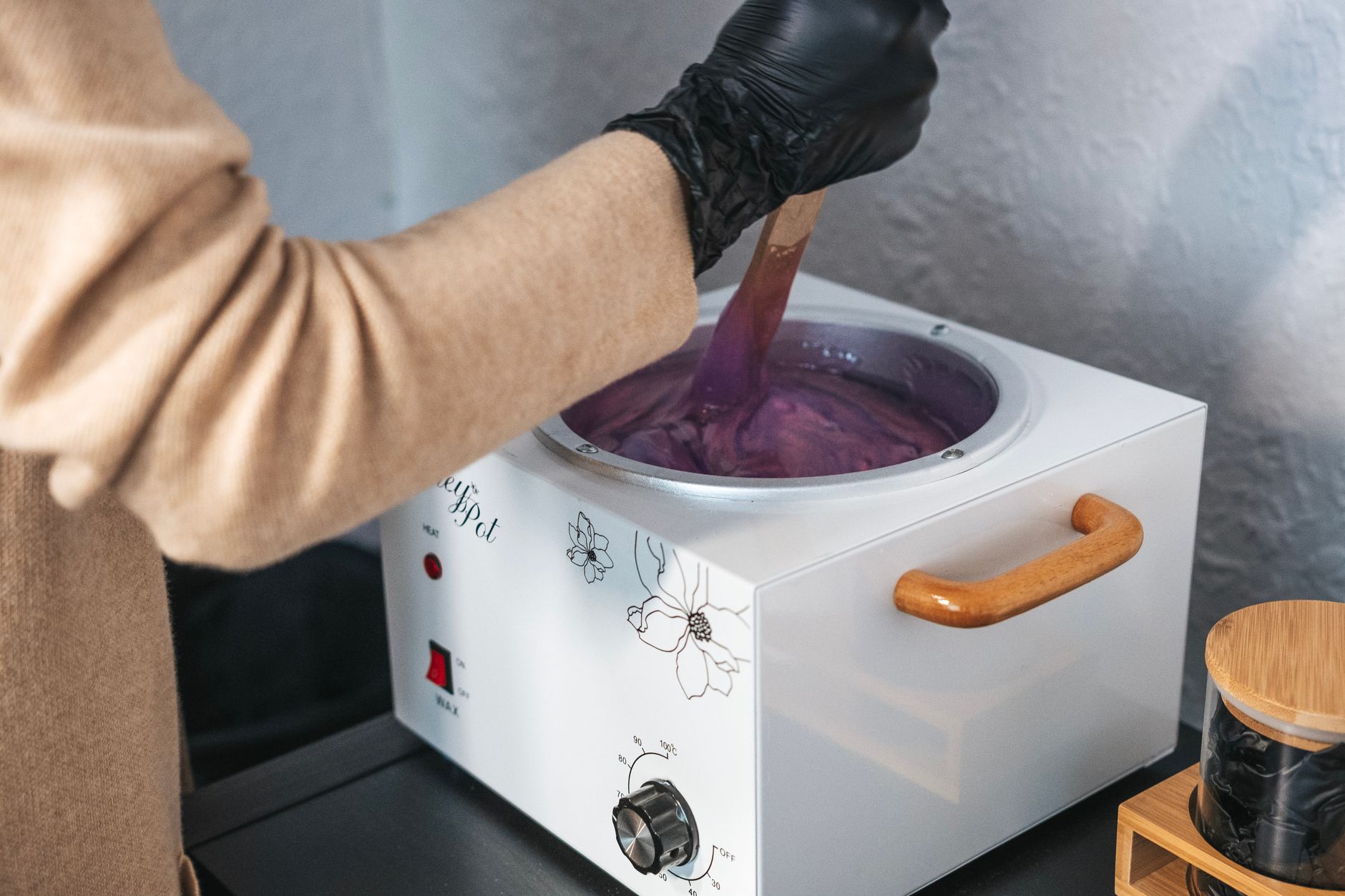
Waxing removes hair from the root: warm wax or a strip sticks to the hair, which is then pulled out in one quick motion. The hair follicle comes out with the hair, which is why regrowth takes several weeks to become visible again.
Laser hair removal works differently: a beam of light targets the melanin in the hair and heats the follicle underneath, without pulling anything out. This heat gradually damages the follicle, which slows down and spaces out regrowth over several sessions. Hair needs to be in an active growth phase for the beam to work, which is why a full course spans several months: not every hair in a treated area is at the same stage of its cycle at the same time.
One core difference explains the rest
This distinction, mechanical removal on one side, targeted follicle heating on the other, is what drives most of the gap in pain, duration and cost between the two methods.
Why a full laser course takes several months
Hair grows in cycles, and only hair in an active growth phase responds to the laser beam at any given session. Because different hairs on the same area sit at different points in that cycle, a single pass never catches every follicle at once, which is why clinics space sessions 4 to 8 weeks apart and plan for a full course rather than a single appointment.
Pain: which method hurts more?
Pain is subjective and varies by treatment area and personal sensitivity, but the two methods do not feel the same.
- Waxing causes a brief sharp sensation at the moment of removal, which fades within seconds. The bikini area and underarms tend to be the most sensitive.
- Laser hair removal produces a warm sensation, sometimes compared to a light elastic band snap, throughout the pass over the treated area. The discomfort is usually more spread out but longer-lasting than with waxing.
Some clinics offer skin cooling during the laser session to ease this sensation, an option worth asking about beforehand.
Risks, side effects and how laser treatment is regulated
Waxing mainly carries a risk of ingrown hairs or temporary irritation on sensitive skin, especially on freshly waxed areas rubbed by clothing. A gentle exfoliation, timed away from the appointment, helps limit this risk.
Laser hair removal is a more regulated treatment: French rules long reserved its practice to doctors, before a change in the legal framework opened it up to other professionals depending on the type of device used (laser or intense pulsed light). In practice, the exact framework depends on the clinic and the equipment used, so it is worth asking, before booking, which professional oversees the session.
Several situations call for medical advice before a laser session: pregnancy, recently tanned skin, photosensitising medication, or a history of skin conditions. If in doubt about suitability for laser treatment, a dermatologist’s opinion remains the safest step, both before and after the first session.
Effectiveness and how long results last
A landmark evidence review on laser and light-based hair removal, led by dermatologist Merete Haedersdal and published in 2006 in the Journal of the European Academy of Dermatology and Venereology, found that these techniques deliver a more lasting reduction in hair growth than shaving or mechanical hair removal, provided a full course of several sessions is completed.
“Lasers and intense pulsed light sources provide long-term, although rarely permanent, reduction of unwanted hair.” Haedersdal and Wulf, Journal of the European Academy of Dermatology and Venereology, 2006
Waxing, on the other hand, does not change the hair growth cycle over the long run: each session removes the hair present at the time, but regrowth follows its natural pace, around 3 to 5 weeks. With repetition, some people do notice finer regrowth, though this effect is not guaranteed and is not comparable to the slowdown achieved with laser.
Cost: how much does each method cost in Paris?
Laser hair removal involves a higher upfront investment, but spread over a full course that later replaces years of repeat appointments.
- Waxing: from €10 to €20 for a small area (underarms, eyebrows) to €30 to €50 for full legs at a Paris salon, to be repeated every 3 to 5 weeks.
- Laser: from €60 to €100 per session for a small area to €150 to €200 for a larger area, over a course of 6 to 8 sessions spaced 4 to 8 weeks apart, with occasional touch-up sessions afterwards.
Over several years, laser hair removal often works out cheaper per area once the full course is paid off, but waxing remains the most accessible option for a one-off budget or a single test area. Some clinics also offer package pricing on a full course, which usually lowers the average price per session compared with booking each appointment separately.
Can you wax between laser sessions?
No, most clinics advise against it: waxing pulls the hair out along with its root, exactly the target the laser needs to heat at the next session. Waxing between laser sessions reduces the treatment’s effectiveness, since the follicle is no longer there to receive the beam.
Between laser sessions, clinics usually recommend trimming or shaving instead, which cuts the hair at skin level without touching the follicle. Regrowth stays visible between appointments, but the course keeps its full effectiveness.
How to choose based on skin tone, hair colour and budget
The choice comes down to three main factors, to weigh against each other:
- Hair colour and skin tone: laser targets the melanin in the hair, so it is less effective on very light, white or red hair, whatever the skin tone. A consultation at the clinic helps check suitability before committing to a full course.
- Available budget: a one-off budget or a wish to test a single area point to waxing, a project planned over several months points to laser.
- Tolerance for repeat appointments: waxing calls for a regular rhythm over the long run, laser concentrates the effort into a limited course before more spaced-out maintenance.
For facial areas, the choice often overlaps with choosing a facial treatment based on skin type, especially when it comes to soothing care after hair removal. At the salon, oriental waxing offers a gentler alternative to classic waxing for sensitive skin, while a manicure and pedicure at the spa often rounds out a full beauty appointment. After a black soap scrub, it is also best to wait a few days before a waxing session, to give the skin time to settle.
Frequently asked questions
Waxing or laser hair removal: which to choose?
The right choice mostly depends on the time frame you are after: waxing gives an immediate, affordable result that needs repeating every 3 to 5 weeks, while laser hair removal takes a course of several spaced-out sessions before growth slows down for the longer term. A tight budget and a same-day result point to waxing, while a project planned over several months and a wish to stop repeat appointments point to laser.
What are the downsides of laser hair removal?
Laser hair removal takes several sessions spaced 4 to 8 weeks apart before a clear effect shows, a higher upfront cost than waxing, and it works less well on very light, white or red hair. It can also cause temporary redness or a warm sensation after the session, and some situations (pregnancy, recently tanned skin, photosensitising medication) call for medical advice beforehand.
What are the downsides of waxing?
Waxing lets hair grow back within 3 to 5 weeks, which means regular appointments over time. It can cause ingrown hairs or temporary irritation on sensitive skin, and hair needs to reach a minimum length before each session, which means letting it grow out between appointments.
Can you wax between laser hair removal sessions?
Most clinics advise against it: waxing pulls the hair out along with its root, the very target the laser needs to heat at the next session. Between laser sessions, clinics usually recommend trimming or shaving instead, which cuts the hair without touching the root.